

 Shriganesh
The Thrill of Uncertainty
The essence of gambling lies in the thrill of uncertainty. Human beings are innately drawn to taking risks, and gambling provides a unique blend of excitement and potential reward. The uncertainty inherent in games of chance stimulates the brain’s reward system, releasing dopamine, a neurotransmitter associated with pleasure. This chemical reaction can create a euphoric sensation, enticing individuals to return to the game in hopes of capturing that elusive high again. For those seeking an exhilarating experience, the casino rocket offers an exciting platform that enhances the anticipation of a win and the adrenaline rush experienced while placing bets, keeping players engaged and often leading them to chase that next big win.
One of the psychological phenomena at play is known as the “near-miss effect.” When players come close to winning, such as spinning two out of three matching symbols on a slot machine, their brains register this experience similarly to a win. This illusion of being close to success motivates individuals to continue playing, reinforcing their belief that a win is just around the corner. The excitement derived from such near-misses creates a compelling case for continued participation in gambling activities. Thus, what might seem like a mere game of chance becomes an intricate dance of emotions, expectations, and unpredictable outcomes.
Additionally, the social aspect of gambling cannot be underestimated. Many individuals are drawn to casinos and gaming environments where they can share their experiences with friends or fellow players. This social interaction adds another layer of excitement, as players feed off each other’s energy and enthusiasm. Businesses have capitalized on this social dynamic, creating environments that foster interaction, community, and even competition. As a result, gambling becomes not just an individual pursuit but a collective experience, making it more appealing to a broader audience.
The Allure of Escape
For many, gambling serves as an escape from everyday life. The allure of stepping into a different reality, where fortunes can change with the flip of a card or the roll of dice, provides a welcome diversion from daily stressors. This escapist quality can be particularly appealing to individuals facing challenges in their personal or professional lives. Engaging in gambling can offer temporary relief and a sense of control, even if that control is an illusion fostered by the unpredictability of the game.
In addition to providing an escape, gambling can also fulfill psychological needs for achievement and success. Winning—even if it’s a small amount—can instill a sense of accomplishment, pushing individuals to pursue that fleeting feeling again. The brain’s reaction to winning reinforces this behavior, as the emotional high associated with success can overshadow the reality of losses. This interplay between escape and achievement is crucial to understanding why people are often willing to risk their financial stability for a chance at redemption or excitement.
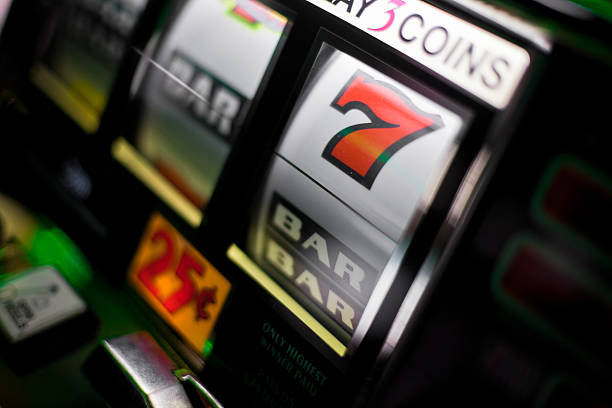
However, it is essential to recognize the dangers associated with gambling as an escape. While it may initially alleviate stress, repeated engagements can lead to addiction and further exacerbate existing problems. Understanding the psychological motivations for gambling is crucial for those seeking to help individuals who may be struggling. By recognizing the need for escape and achievement, support systems can be developed to address healthier coping mechanisms and alternative outlets for emotional relief.
The Role of Cognitive Biases
Cognitive biases play a significant role in the psychology of gambling. One of the most prevalent biases is the “gambler’s fallacy,” which leads individuals to believe that past events influence future outcomes in independent games of chance. For example, a player might think that if a specific number hasn’t come up in a while during a roulette game, it is “due” to appear soon. This fallacious reasoning can lead players to make poor betting decisions, often increasing their losses while justifying their continued play. Understanding these biases sheds light on why people engage in gambling beyond mere chance and luck.
Additionally, the “illusion of control” is another cognitive bias prevalent in gambling contexts. Gamblers often believe they can influence the outcome of a game, such as feeling that their choice of numbers in a lottery increases their chances of winning. This sense of control can enhance the gambling experience, making victories feel more personal and losses less impactful. However, as with other biases, this illusion can lead to excessive gambling and poor financial decisions, complicating the motivations behind why individuals feel compelled to continue playing.
Awareness of these cognitive biases is essential not only for gamblers but also for educators and support professionals who aim to promote responsible gaming. By providing information on how cognitive biases influence decision-making, individuals can learn to recognize their patterns and potentially curtail harmful gambling behaviors. This awareness fosters a healthier understanding of risk and chance, encouraging more thoughtful engagement with gambling activities.
The Impact of Environment and Marketing
The environment in which gambling takes place plays a significant role in its appeal. Casinos are designed with specific psychological triggers in mind, from the sounds of ringing coins to the bright, vivid lights that evoke excitement. These sensory experiences create an immersive atmosphere that encourages prolonged engagement. Marketing strategies often capitalize on these elements, promoting gambling as a fun and glamorous activity, sometimes downplaying the risks involved.

Moreover, online gambling has transformed the landscape of gaming, making it more accessible than ever. Websites utilize data-driven algorithms to personalize marketing efforts, targeting individuals based on their preferences and behaviors. This tailored approach can heighten the allure of gambling as it feels more relevant and engaging to the individual player. The ability to gamble from the comfort of one’s home, combined with enticing promotions and bonuses, fosters a potentially hazardous environment where individuals may underestimate the risks involved.
Understanding the environmental and marketing factors that contribute to gambling behavior is vital for both consumers and policymakers. Recognizing these influences can lead to informed decision-making and the development of regulations that promote responsible gambling. By creating awareness around the impact of these external factors, individuals can be better equipped to navigate the complexities of gambling and make choices that prioritize their well-being.
Understanding Gambling Behavior through Research
Research into gambling behavior has grown significantly in recent years, revealing a multitude of factors influencing why people engage in these activities. Psychological studies explore various dimensions, from risk-taking personalities to the effects of mood and social contexts on gambling behavior. Understanding these dimensions allows researchers and practitioners to better support individuals who may be at risk of developing gambling-related issues.
Furthermore, studies examining the effects of demographics show that age, gender, socioeconomic status, and cultural background can significantly influence gambling patterns. For instance, younger individuals may be more drawn to online platforms, while older adults may prefer traditional forms of gambling. Recognizing these trends enables the creation of targeted interventions aimed at promoting responsible gambling practices across diverse populations.
Ultimately, a comprehensive understanding of gambling behavior requires ongoing research and collaboration among psychologists, marketers, and policymakers. By integrating insights from various fields, it is possible to create a more nuanced understanding of why individuals are drawn to gambling. This understanding can facilitate the development of educational programs and resources aimed at mitigating the potential harms associated with gambling while fostering a safer and more enjoyable gaming experience.


